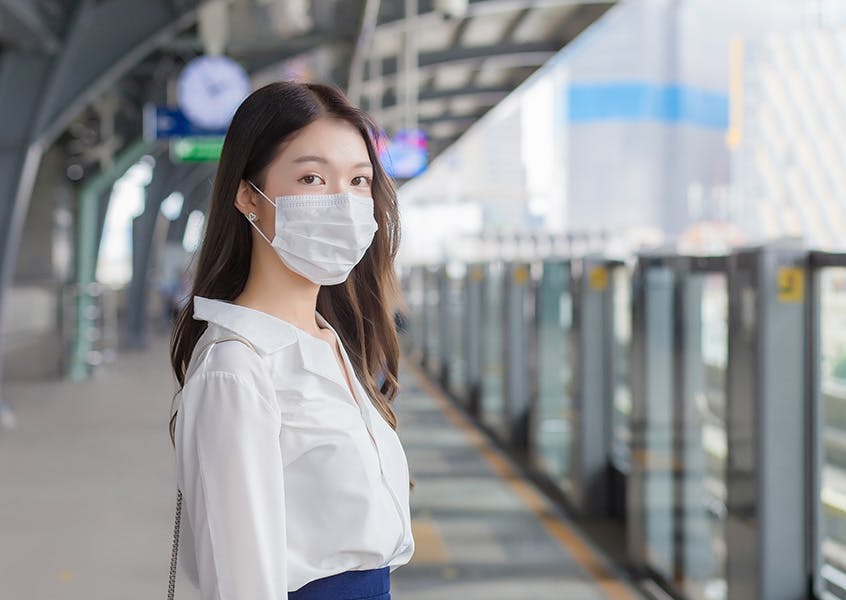
Despite the improvement in the COVID-19 situation and a growing tendency for people to forego wearing masks, it's essential to remember that beyond the visible virus, there exists the unseen threat of PM2.5 particles lingering in the air. Wearing masks not only guards against respiratory infections but also serves as protection from inhaling these microscopic particles. Today, let's delve into PM2.5, understanding its origins and the impact it can have on our health.
Unveiling PM2.5
PM2.5, denoting particulate matter with a diameter less than 2.5 micrometers, is minuscule and virtually invisible to the naked eye, approximately 1/25th the width of human hair strands. Suspended in the air, PM2.5 particles intermingle with water vapor, smoke, and diverse gases. Once these particles infiltrate our bodies, they pose health risks by traversing the respiratory system, reaching the lungs and bloodstream, elevating the risk of heart, respiratory, brain, and other organ diseases.
Origins of PM2.5 Pollution
· Everyday activities like smoking, barbecue, and stove usage contribute to PM2.5 pollution.
· Forest fires and deforestation release fine particles into the air.
· Construction projects, encompassing building construction and road excavation, add to PM2.5 levels.
· Industrial and power generation activities, involving the burning of fossil fuels, emit harmful gases.
· Transportation, especially vehicle emissions, significantly contributes to PM2.5 pollution.
Seasonal Variations in PM2.5
PM2.5 concentrations are typically higher and more severe during the dry season, spanning from December to April. The dry conditions and lower temperatures impede air circulation, resulting in the accumulation of pollutants. Contrary to common belief, rain alone cannot entirely cleanse the air of PM2.5, as wind currents disperse the particles before rainfall.
Perils Associated with PM2.5
Inhaling PM2.5 over an extended period poses serious health risks, manifesting in symptoms like:
· Irritated and reddened eyes, accompanied by dark circles.
· Skin irritations, rashes, and darkened skin patches.
· Nasal irritation, coughing, clear nasal discharge, chest tightness, and breathing difficulties.
Long-Term Health Implications
Persistent exposure to PM2.5 can lead to a spectrum of health issues:
· Respiratory ailments, including chronic bronchitis, respiratory infections, and asthma.
· Cardiovascular problems such as heart attacks, heart failure, high blood pressure, and strokes.
· Dermatological concerns, causing premature aging, dark spots, and dermatitis.
· Neurological and cognitive impairments, particularly in children, affecting cognitive function and development.
Remaining well-informed about PM2.5, taking necessary precautions, and advocating for measures to curtail air pollution are critical for safeguarding individual and community well-being.
PM2.5: High-Risk Groups Facing Greater Impact Than the General Population
Everyone is susceptible to the impacts of PM2.5 particles, making the use of masks a crucial preventive measure. It becomes even more vital for high-risk groups, including:
· Individuals aged 60 and above.
· Those with pre-existing conditions such as asthma, COPD, irregular heartbeats, and heart muscle disorders.
· Children under 10 years old, who have less developed immune systems and organs.
· Pregnant women, according to research, are also at risk. Inhaling PM2.5 during pregnancy can lead to adverse effects, including premature birth, heart defects, and low birth weight.
Preventive Measures and Self-Care Tips:
· Wear N95 or double-layered masks to effectively filter PM2.5 particles.
· Avoid outdoor activities on high-pollution days and wear masks when necessary.
· Monitor air quality indices closely and stay indoors when pollution levels are high.
· Minimize door and window openings to prevent indoor pollution.
· Use air purifiers in workplaces and homes to reduce particle levels.
· Avoid activities that worsen indoor air quality, such as smoking and burning incense.
· Stay hydrated, as it helps moisten the respiratory tract and flush out toxins.
· Maintain a healthy lifestyle with a balanced diet, regular exercise, and sufficient rest.
· Rinse your nasal passages with a saline solution to alleviate symptoms.
Remember, wearing a mask not only protects against COVID-19 but also safeguards against the adverse effects of PM2.5. Prioritize your health, stay informed, and take necessary precautions for a healthier life. For Krungthai-AXA life insurance customers interested in health-related articles, visit here. https://www.krungthai-axa.co.th/th/health-advisories
The article was reviewed by:
Dr. Siwatt Luwannaruk
Certified Plastic Surgeon
SLC Hospital
References:
· Samitivejhospitals
· Thainakarin Hospital
· Phaya Thai Hospital
· Sikarin Hospital
· Bangkok Hospital
· PCD
· PCD